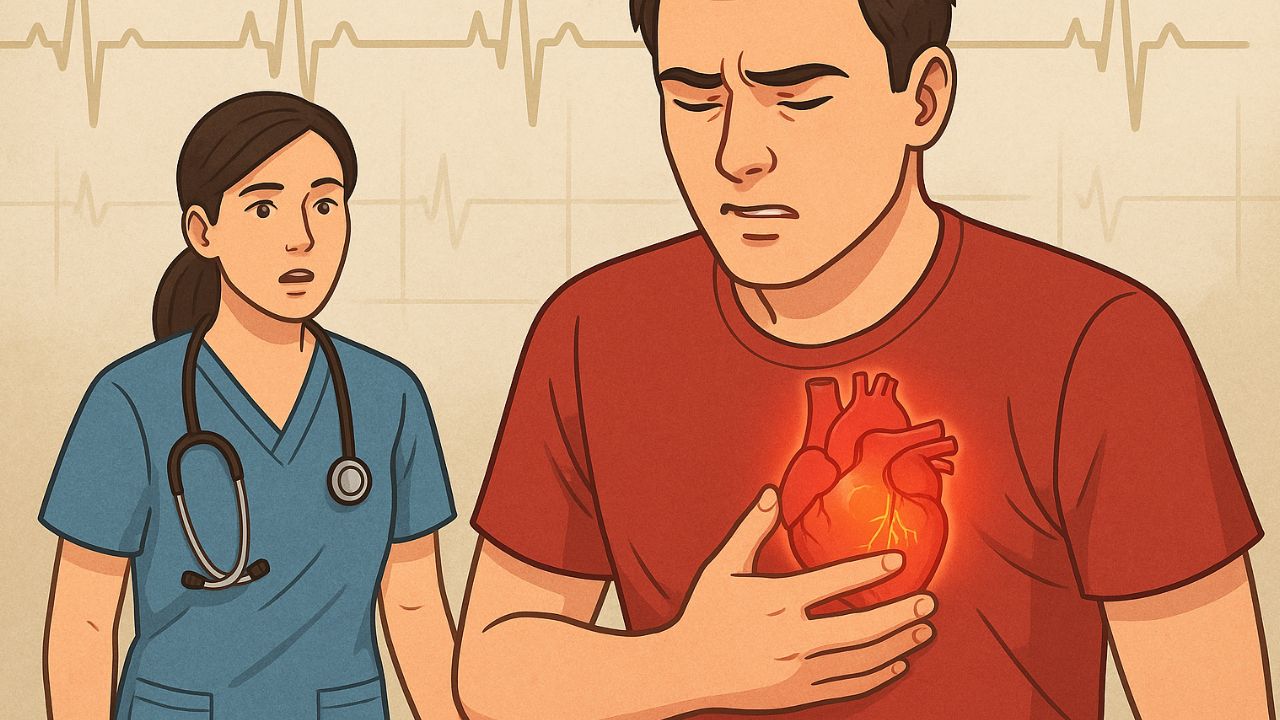
Heart attacks have long been associated with older adults — those in their 50s, 60s or beyond. But recent data tell a troubling story: younger people are experiencing heart attacks at an alarming rate. At One Love CPR, we believe that awareness, prevention, and the ability to act swiftly can make a major difference — both for patients and for healthcare providers on the frontline.
Why Are Young People Having Heart Attacks?
A 2019 study presented at the American College of Cardiology found that more than 20 % of heart attacks in the U.S. occur in people under 40.This shift demands attention. So what is happening?
-
Early atherosclerosis: While typically associated with older age, plaque can begin forming early, especially when lifestyle factors accelerate it.
-
Coronary artery spasms: In young individuals, sudden constriction of coronary arteries — often triggered by drug use, extreme stress, or certain medications — can lead to heart attacks without classic plaque buildup.
-
Inherited disorders: Genetic conditions like familial hypercholesterolemia, hypertrophic cardiomyopathy, long QT syndrome and clotting disorders play a disproportionately large role in youth heart events.
-
Inflammation and autoimmune diseases: Chronic inflammation from underlying conditions can damage blood vessels and trigger cardiovascular events earlier than expected.
Recognizing the Risk — Unique Factors for Younger Patients
Younger patients often face risk factors that differ from the classic “older adult” profile:
-
Obesity and sedentary lifestyle: Younger generations face higher rates of obesity and inactivity, accelerating cardiovascular risk.
-
Vaping & nicotine: E-cigarette and vaping use produces acute increases in heart rate and blood pressure, promoting strain on the cardiovascular system.
-
Chronic stress and mental health: The impact of sustained stress, anxiety, depression and related lifestyle choices (smoking, drinking, overeating) cannot be ignored.
-
Undetected hypertension or diabetes: Young people may not undergo regular health screening, allowing “silent killers” like high blood pressure or elevated cholesterol to go unnoticed.
Symptoms That May Be Overlooked
Because heart attack presentations in young adults can be atypical, they’re often misinterpreted or downplayed:
-
Shortness of breath, fatigue or nausea rather than classic chest pain
-
Jaw, back or left-arm discomfort
-
Sweating, dizziness or episodes easily attributed to stress or indigestion
For healthcare providers and first-responders, the key is awareness: don’t assume youth equals low risk.
Prevention — The Power of Early Action
The encouraging news is many of these risk factors are modifiable. Here’s what providers and patients can focus on:
-
Promote heart-healthy diets — Emphasize whole foods, lean proteins, healthy fats and minimize processed items, sugar and trans fats.
-
Encourage regular activity — Aim for at least 150 minutes of moderate aerobic exercise or 75 minutes of vigorous activity weekly. Even 30 minutes of walking daily can make a difference.
-
Support smoking and vaping cessation — Every attempt counts; nicotine accelerates cardiovascular workload and risk.
-
Screen early and often — For younger patients especially, check lipids, blood pressure, glucose and inquire about family history or genetic disorders.
-
Stress management and mental-health support — Integrating meditation, breathing exercises, counseling or therapy helps mitigate a major cardiovascular trigger.
Why Rapid Response Matters
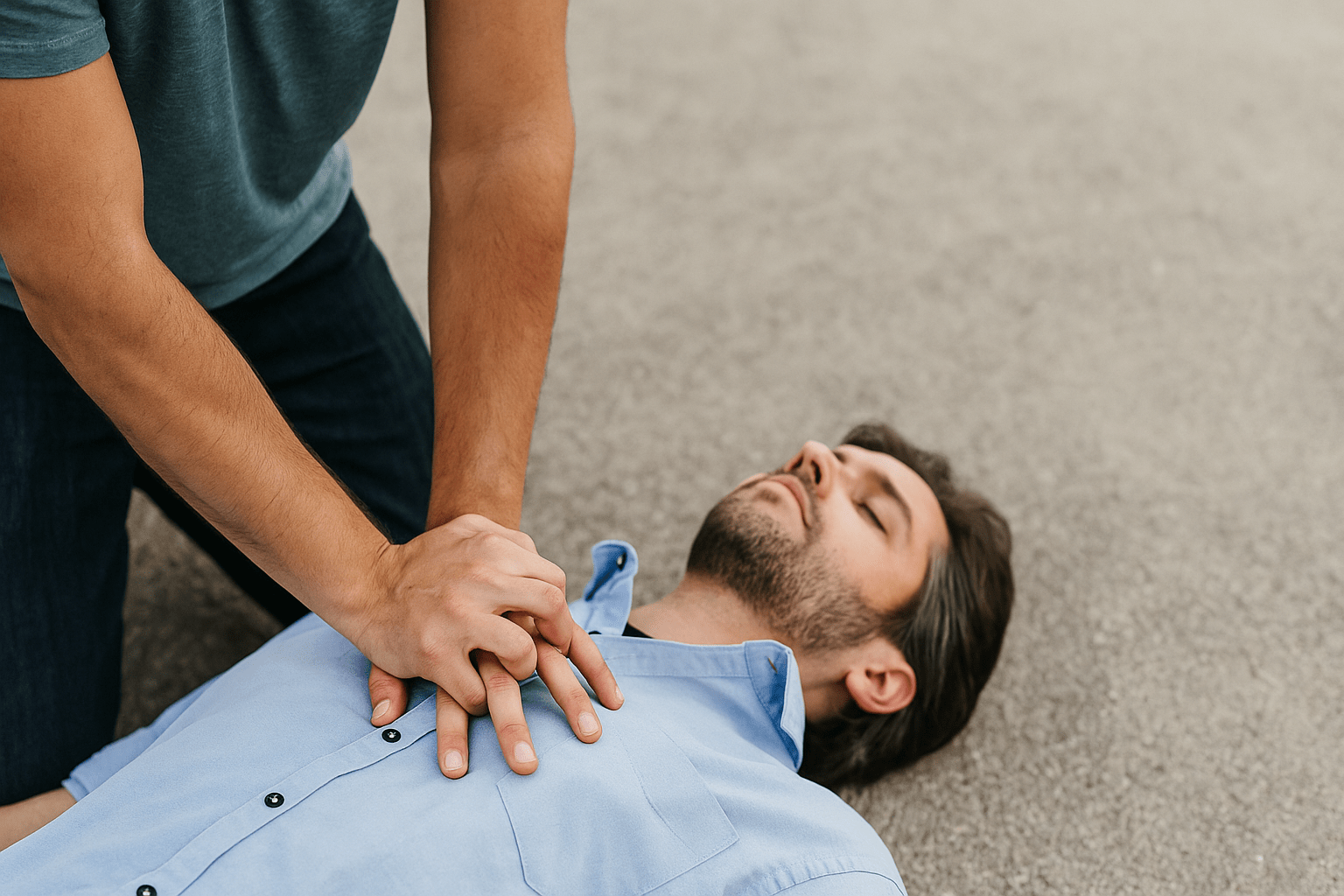
Even with prevention, emergencies happen. In younger patients, who might seem “healthy,” immediate action is critical. The ability of bystanders or trained staff to launch CPR and defibrillation can save precious minutes and lives. The window is small — and knowledge is power.
How One Love CPR Supports You
At One Love CPR, we deliver training that empowers you and your team to act confidently in cardiac emergencies. Our certifications cover:
-
BLS (Basic Life Support)
-
ACLS (Advanced Cardiac Life Support)
-
PALS (Pediatric Advanced Life Support)
-
AED, First Aid and other life-saving modalities
Whether you’re a hospital provider, clinic staff member, school nurse or community responder — we gear our training to real-world readiness. With our courses, you’ll be prepared, capable and confident.
Take Action Today
Don’t wait until “something happens” to get ready. Equip your team with the latest tools and certifications. Visit One Love CPR now to:
-
Enroll in our next BLS, ACLS or PALS course
-
Schedule onsite training for your group
-
Renew or upgrade your certifications
👉 Your readiness may be the difference between life and loss. Act now. Visit www.onelovecpr.com or call us to schedule your training today.
Protect hearts — especially the young ones. Choose preparedness. Choose skill. Choose One Love CPR. Sign up now for your next certification and be the lifeline others count on.




 Google 5.0