In the fast-paced world of emergency response, heart medications are far more than pills on a shelf—they are critical tools that can mean the difference between life and death. At One Love CPR, we know that responders, nurses, clinicians and first-aid providers don’t just need to know how to push on the chest or hook up an AED—they need to know why medications matter, how they support care, and when to act. This article will guide you through the most important heart medications, their roles, and how readiness ties directly into effective resuscitation training.
Why heart medications matter
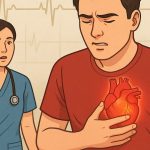
When a patient suffers from a life-threatening cardiac event—a heart attack, arrhythmia or cardiac arrest—the body’s electrical and circulatory systems are thrown into chaos. While chest compressions, defibrillation and airway management form the backbone of response, medications are the supporting cast that stabilize rhythm, manage blood flow and limit damage. For example:
-
In cardiac arrest, drugs like epinephrine or anti-arrhythmics may restore rhythm.
-
In heart failure or acute coronary syndrome, classes such as ACE inhibitors, beta-blockers and statins protect the heart long-term.
Thus, having knowledge of these medications empowers you not only to act—but to communicate confidently, recognize changes, and assist effectively as part of a team.
Core medication classes and what you should know
-
ACE Inhibitors (Angiotensin-Converting-Enzyme Inhibitors): These medications relax blood vessels, reduce workload on the heart and help prevent progression of heart failure. Key for provider awareness: dosing adherence and recognizing side effects like cough or angioedema.
-
Beta-Blockers: These slow heart rate, reduce oxygen demand and control arrhythmias. They’re used after heart attacks and in many chronic cardiac conditions. Recognize when bradycardia or hypotension may be signs of over-medication.
-
Calcium Channel Blockers and Other Vasodilators: These lower blood pressure and reduce cardiac workload. Awareness about drug interactions (e.g., with grapefruit juice and CYP3A4) and brady-arrhythmia risk is important.
-
Anti-arrhythmics & Cardiac Arrest Medications: In an advanced setting, medications like amiodarone, lidocaine or epinephrine are administered during cardiac arrest to restore rhythm and support perfusion.
-
Statins, Antiplatelets & Anticoagulants: While more preventive than emergent, these medications are critical in long-term cardiac care. As a responder, knowing whether someone is on these meds affects how you interpret history or respond to bleeding risk.
What this means for training and readiness
Knowledge of medications isn’t just academic—it has real-world implications in your role as a provider or first responder:
-
Quick recognition: If a patient on beta-blockers presents with bradycardia or hypotension, you’ll know this may relate to medication effect.
-
Communication: When relaying information to paramedics or physicians, knowing “the patient is on ACE inhibitor and beta-blocker” means something.
-
Contextual CPR: If a patient arrests and you know they’re on anti-arrhythmics, it may influence how the code team prepares.
-
Continuous training relevance: A provider certified in BLS, ACLS or PALS who understands medication classes adds value to any team.
Why you should train with One Love CPR
At One Love CPR we don’t just teach algorithm steps—we teach context, clarity and confidence. Our courses incorporate key medication awareness into scenario-based training, so you leave not just by the numbers, but ready to respond. Here’s what we offer:
-
Certified courses: BLS, ACLS, PALS, Heartsaver First Aid/CPR/AED.
-
Flexible delivery: online modules + hands-on practice for all schedules.
-
Training designed to build teamwork, decision-making and medication consciousness—not just “what to do,” but why.
-
Local accessibility, affordability, expert instructors who care.
Don’t wait until the next code, emergency or audit to upgrade your readiness. Make medication awareness part of your life-saving skillset. Visit www.onelovecpr.com, call 551-336-7797 or email CPR@onelovecpr.com to schedule your next certification session or team training. Your expertise matters. Your confidence matters. Because when a life is on the line, every second and every decision counts.
Join One Love CPR today and elevate your knowledge of heart medications, CPR procedures and advanced life support—so when the moment comes, you’re prepared, knowledgeable and ready to save lives.





 Google 5.0