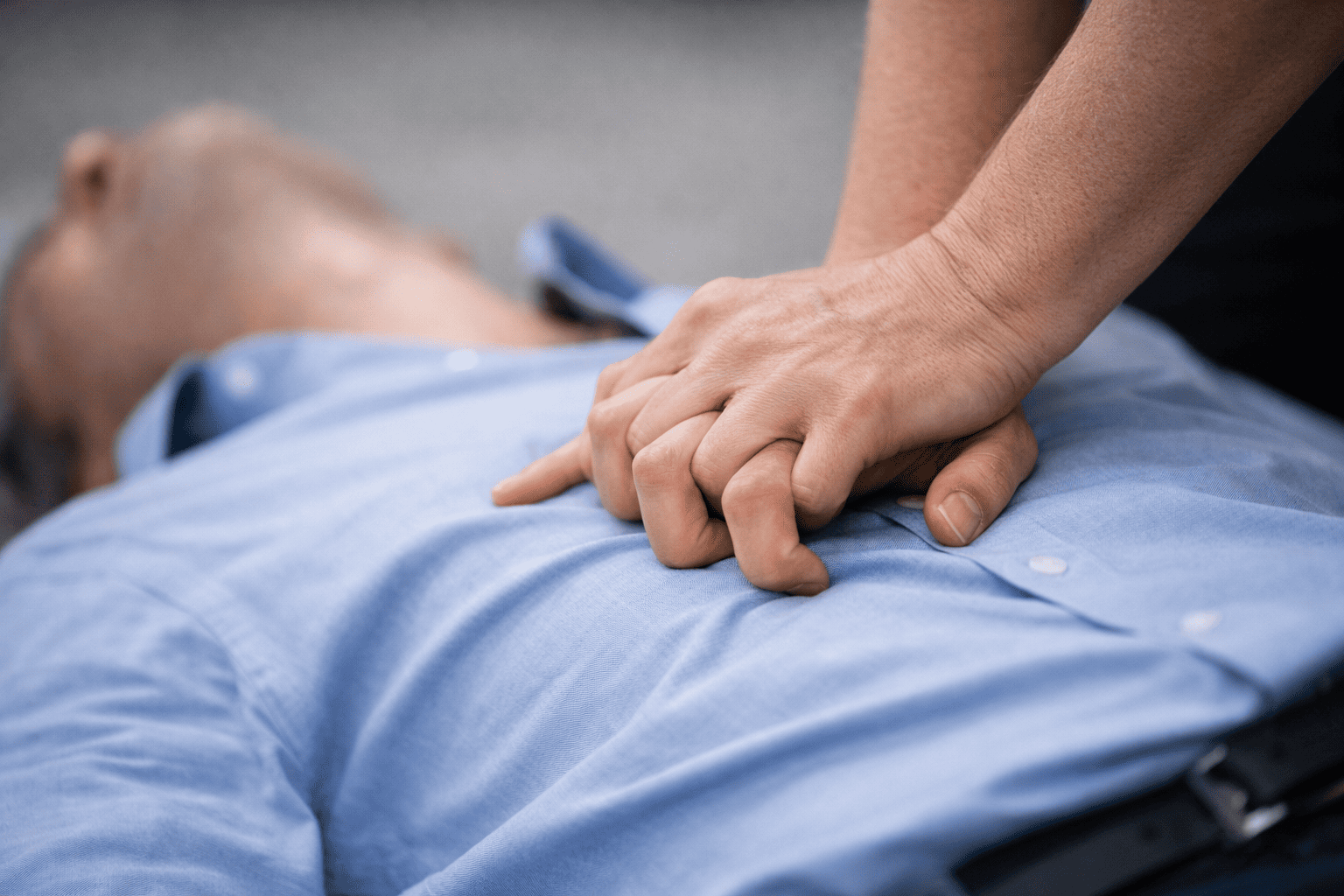
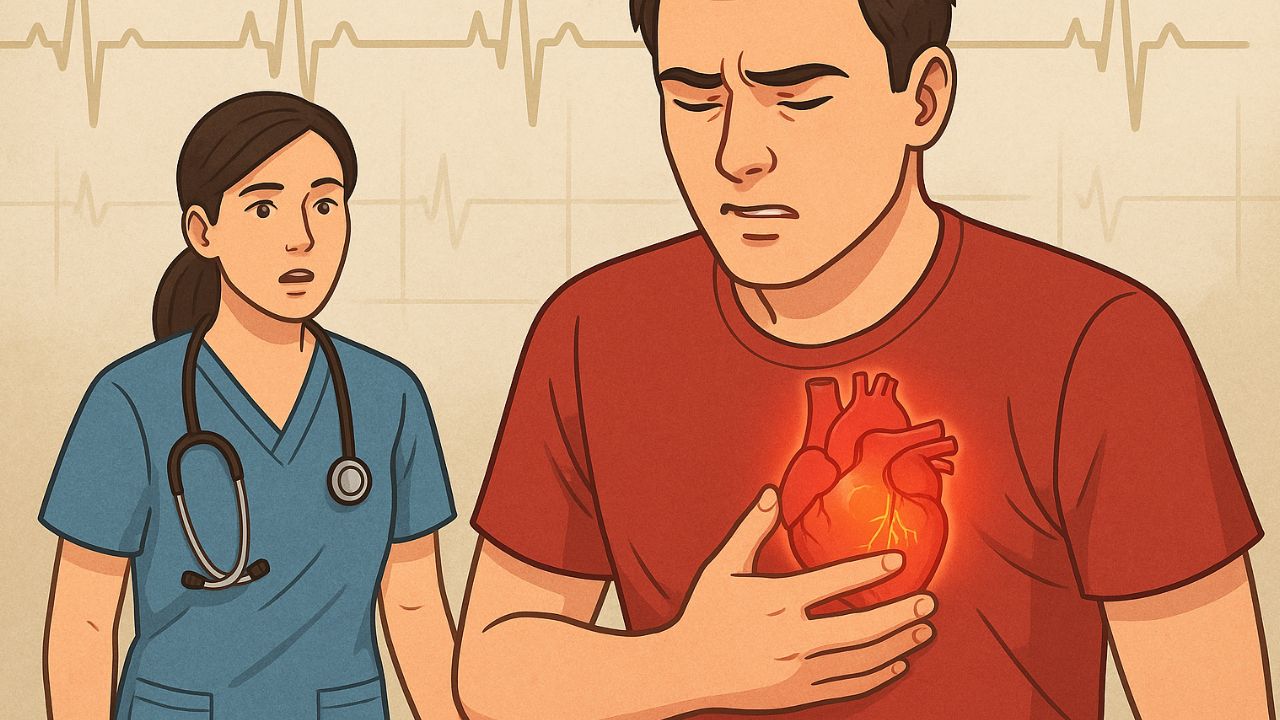
When most people think of a heart attack, they imagine someone clutching their chest in severe pain. But heart attacks don’t always present that way — especially in early stages or in certain populations. Some warning signs are subtle or easily mistaken for less serious conditions like indigestion, fatigue, or anxiety. These often-missed symptoms are known as silent heart attack signs, and recognizing them early can make the difference between prompt treatment and dangerous delay.
In this article, we’ll break down three silent heart attack signs you might overlook, explain why they matter, and share how being prepared — including knowing CPR — empowers you to act when every second counts.
1. Shortness of Breath — Even Without Chest Pain
One of the most common silent signs of a heart attack is difficulty breathing or shortness of breath, with or without other symptoms. The feeling may come on during routine activity or even while resting. You might notice yourself struggling to catch your breath, feeling unusually winded, or sensing heaviness in your chest — even if you don’t experience sharp pain.
This symptom is particularly important because many people write it off as stress, asthma, or aging rather than recognizing it as a sign of reduced oxygen flow to the heart. If shortness of breath is sudden, unexplained, or more severe than normal, it deserves immediate medical evaluation.
2. Pressure or Discomfort Instead of Pain
Chest pain, while classic, isn’t the only heart attack indicator — and it isn’t always painful. Many silent heart attacks present as pressure, tightness, squeezing, or discomfort rather than obvious pain. This sensation can feel more like persistent pressure or heaviness rather than “pain” in the dramatic sense.
You may also feel discomfort that radiates to other areas such as:
-
The arms (especially the left arm)
-
The jaw
-
The back
-
The upper stomach or even upper-body areas that mimic indigestion
Some people dismiss these sensations as muscle strain, acid reflux, or stress — but these subtle discomforts can signify underlying heart trouble.
3. Cold Sweats, Nausea & Lightheadedness
Silent heart attack symptoms often resemble everyday discomforts. Cold sweats, nausea, or feeling like you might faint don’t always get the attention they deserve. Cold sweats can occur even when you aren’t hot or exerting yourself, and nausea might be mistaken for a stomach bug. Lightheadedness may seem like dehydration or fatigue, especially after a long day.
These symptoms are subtle but significant because they signal that your heart isn’t getting enough oxygenated blood. While you might not think “heart attack” first, these warning signs — especially if they occur suddenly or in combination — should not be ignored.
Why Subtle Symptoms Matter
Silent heart attacks — those without dramatic chest pain — are common and often go undiagnosed until much later, sometimes when a patient undergoes an electrocardiogram or another test for a different issue. If left unrecognized, these events can lead to severe complications like heart muscle damage, heart failure, arrhythmias, or another major cardiac event.
Who’s at Risk?
While silent heart attacks can happen to anyone, they are more likely among people with:
-
Diabetes or nerve damage
-
High blood pressure or high cholesterol
-
A family history of heart disease
-
Smoking or sedentary lifestyle
-
Chronic stress or obesity
Because the symptoms can be vague, awareness is your best defense.
What to Do If You Notice These Signs
If you or someone you’re with experiences shortness of breath, unexplained pressure or discomfort, cold sweats, nausea, or lightheadedness — don’t wait.
👉 Call 911 or your local emergency number right away.
👉 Mention that you suspect heart-related symptoms.
👉 While waiting for EMS, if the person becomes unresponsive and is not breathing normally, start CPR immediately and use an AED if available.
Knowing how to respond can be life-saving. At One Love CPR, we emphasize not only how to perform CPR correctly but why readiness matters — particularly when early symptoms are subtle.
The Life-Saving Difference of Training
Understanding silent heart attack symptoms is only one part of being prepared. Knowing how to act when faced with an emergency — especially one that doesn’t look the way you expect — is critical. Training in CPR and emergency response equips you with the skills and confidence to step in and help.
At One Love CPR, we offer:
-
CPR & AED Certification for all skill levels
-
BLS, ACLS, and PALS Courses aligned with the latest AHA guidelines
-
Flexible training options — online + hands-on or in-person sessions
-
Team and group training for workplaces and community organizations
Whether you’re a healthcare professional or a concerned family member, training can make the difference between hesitation and action.
👉 Visit www.onelovecpr.com to enroll in your next course or schedule team training.
📞 Call 551-336-7797 or email CPR@onelovecpr.com for more information.
Silent heart attack symptoms may be easy to overlook — but their consequences are not. Educate yourself, listen to your body, and be ready to act. The right training at the right time could save a life — maybe even your own.
Be informed. Be prepared. Be someone who acts.
One Love CPR
CPR, BLS, ACLS, Heartsaver & First Aid Certification Training
New Jersey, New York, Connecticut






 Google 5.0