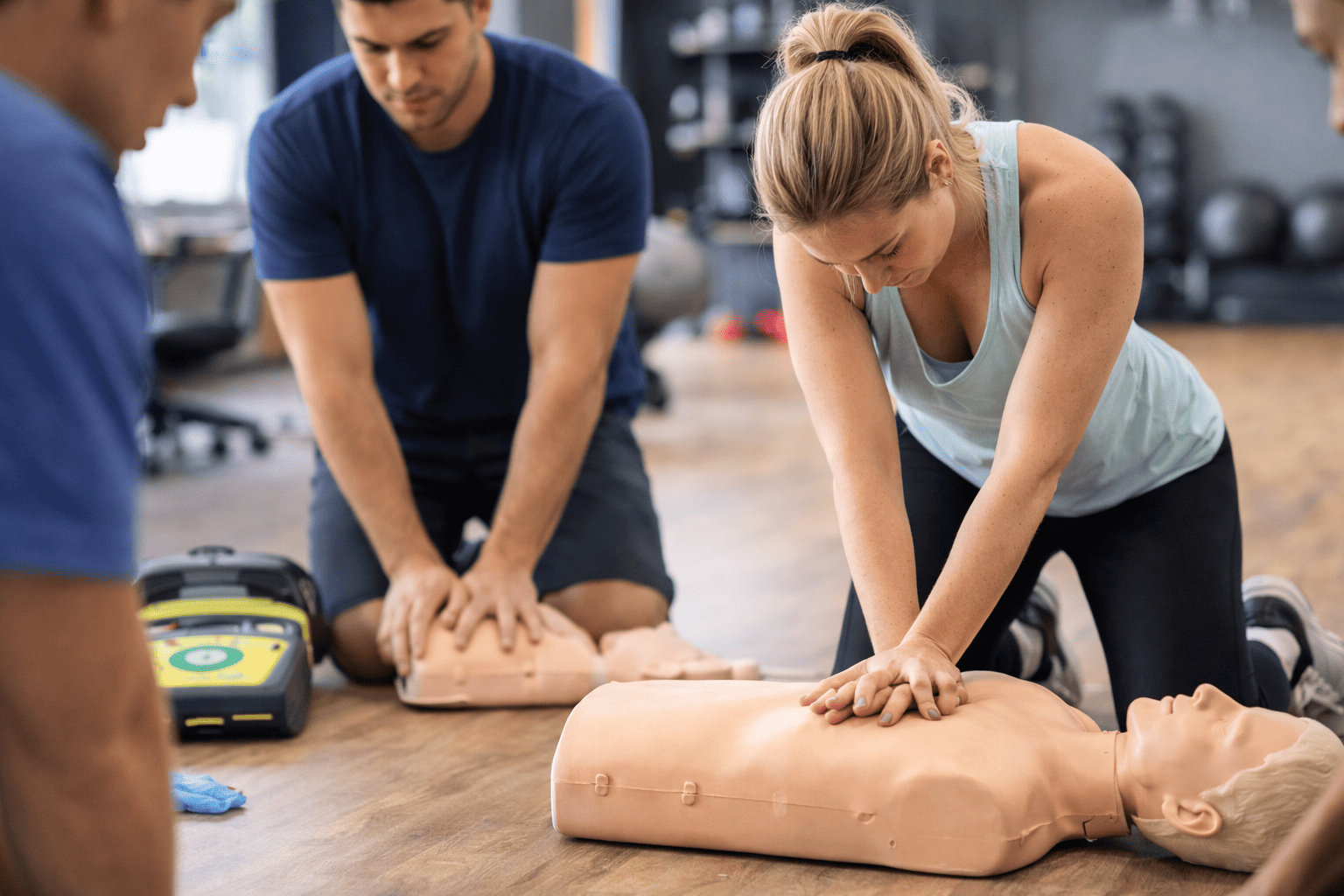
When a cardiac emergency strikes, most people freeze — unsure what to do next. Yet, the actions taken in the first critical moments can dramatically impact someone’s chance of survival. That’s why understanding the 3 R’s of CPR — Recognize, Respond, and Resuscitate — is so important. These three simple but powerful steps guide you through exactly what to do when every second counts.
At One Love CPR, we believe in empowering individuals and teams with the confidence and skill to step forward — not freeze — when a life hangs in the balance. Whether you’re a healthcare professional, teacher, parent, or community member, knowing the 3 R’s can make a life-saving difference.
Recognize: The First Step to Saving a Life
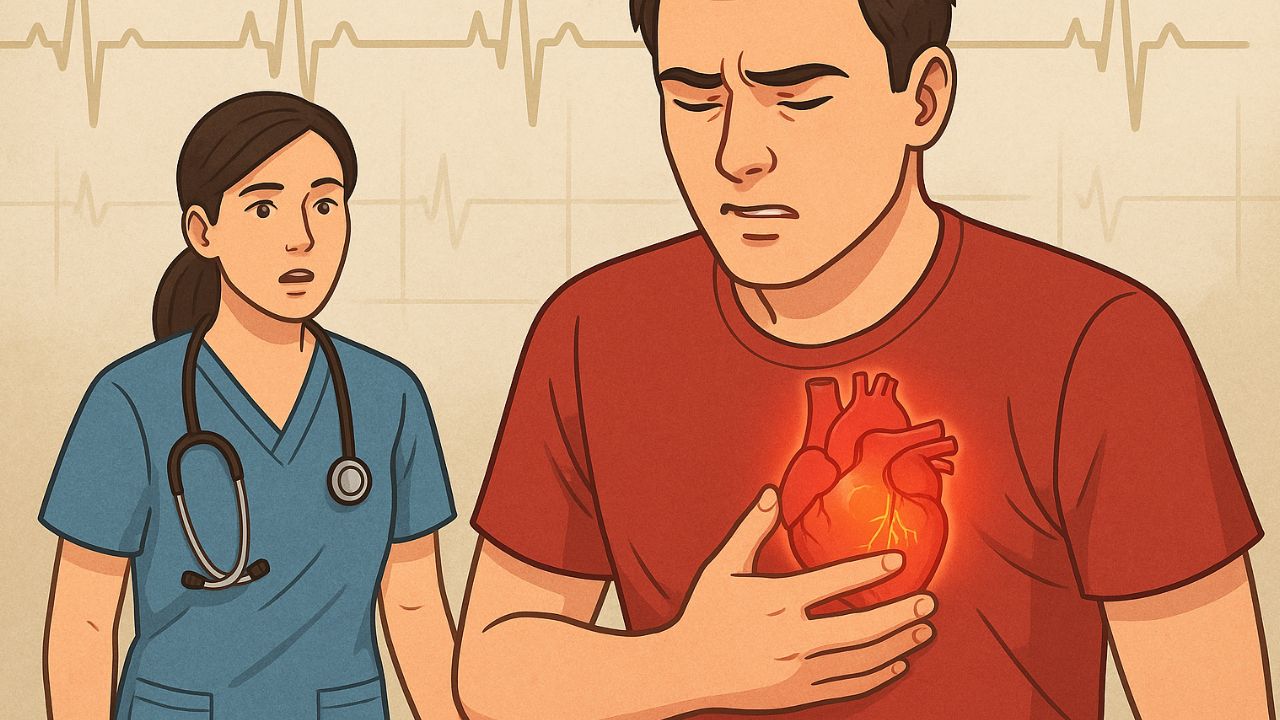
The very first and most critical step in CPR is Recognizing that something is wrong. Cardiac arrest isn’t always obvious — victims may collapse suddenly, be unresponsive, or stop breathing normally. CPR can’t begin until the problem is noticed.
Signs to look for include:
-
Sudden collapse or lack of response
-
No normal breathing or abnormal gasping
-
Loss of pulse (if trained to check)
Without quick recognition, precious time can slip away. Recognizing the emergency is the first vital link in what’s known as the chain of survival — a sequence of steps that increases a victim’s chance of survival during cardiac arrest.
Respond: Take Immediate Action
Once you’ve recognized a cardiac emergency, the next “R” is to Respond — and that means acting without hesitation. Every minute without CPR significantly reduces the victim’s chance of survival. When someone collapses, your response should be both swift and confident.
Here’s what “Respond” typically involves:
-
Call for help: Dial 911 to get emergency services on the way.
-
Ensure the scene is safe: You and the victim should be out of harm’s way.
-
Begin CPR right away: That means starting chest compressions at the correct depth and rate (about 100–120 compressions per minute).
-
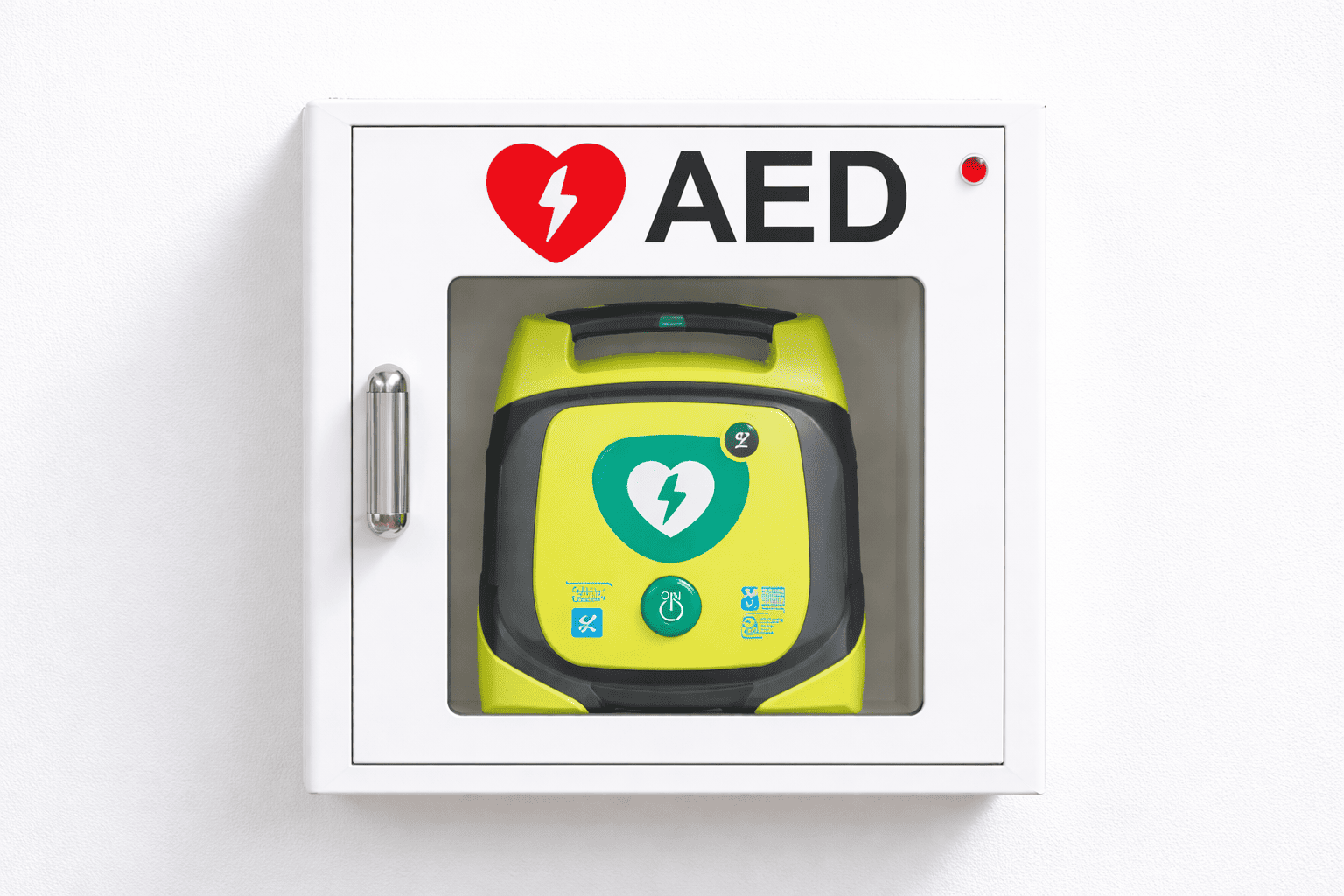
Use an AED if available: These devices guide you with voice prompts and can restore a normal heart rhythm in many cases.
The goal of your response is simple: buy time until professional help arrives.
Resuscitate: Maintain Life Until Help Arrives
The final “R” is Resuscitate — which means actively performing CPR techniques to maintain blood flow and oxygen to the brain and vital organs. Without circulation, the brain can begin to suffer irreversible damage within minutes.
Resuscitation includes:
-
Chest compressions: Firm, fast compressions keep blood circulating.
-
Rescue breaths: If trained, these breaths help deliver oxygen to the lungs.
-
AED use: Automatic External Defibrillators can deliver a shock that restores a normal heart rhythm.
When you combine these actions with a prompt call to 911, you create the best possible chance for survival — especially in the crucial first minutes of a life-threatening event.
Why the 3 R’s Matter
Understanding and mastering the 3 R’s isn’t just for healthcare workers — it’s essential for anyone who might witness a sudden cardiac arrest. Most cardiac arrests occur outside of hospitals, meaning a bystander’s intervention is often the only chance the victim has before EMS arrives.
Learning to recognize the signs, respond with urgency, and resuscitate with proper technique makes you a critical link in the chain of survival. This isn’t just training — it’s readiness, confidence, and preparation to do what matters most when lives are on the line.
How One Love CPR Prepares You
At One Love CPR, we provide comprehensive, American Heart Association-aligned training that teaches the 3 R’s through real-world instruction and hands-on practice. Our courses include:
-
BLS (Basic Life Support) CPR Certification — ideal for healthcare providers and first responders.
-
Heartsaver CPR & AED Training — perfect for parents, teachers, workplace teams, and community members.
-
ACLS & PALS Courses — advanced training for healthcare professionals.
Our skilled instructors guide you every step of the way, ensuring you not only know the theory but practice the skills until they become second nature.
Don’t wait for an emergency to make a decision — prepare for it. Understanding the 3 R’s could empower you to save a friend, family member, or stranger in a critical moment.
👉 Visit www.onelovecpr.com to explore courses and enroll today.
📞 Call 551-336-7797 or email CPR@onelovecpr.com for scheduling and group training options.
You don’t need a medical degree — just knowledge, courage, and willingness to act.
Act now. Learn CPR. Save lives.
One Love CPR
CPR, BLS, ACLS, Heartsaver & First Aid Certification Training
New Jersey, New York, Connecticut






 Google 5.0