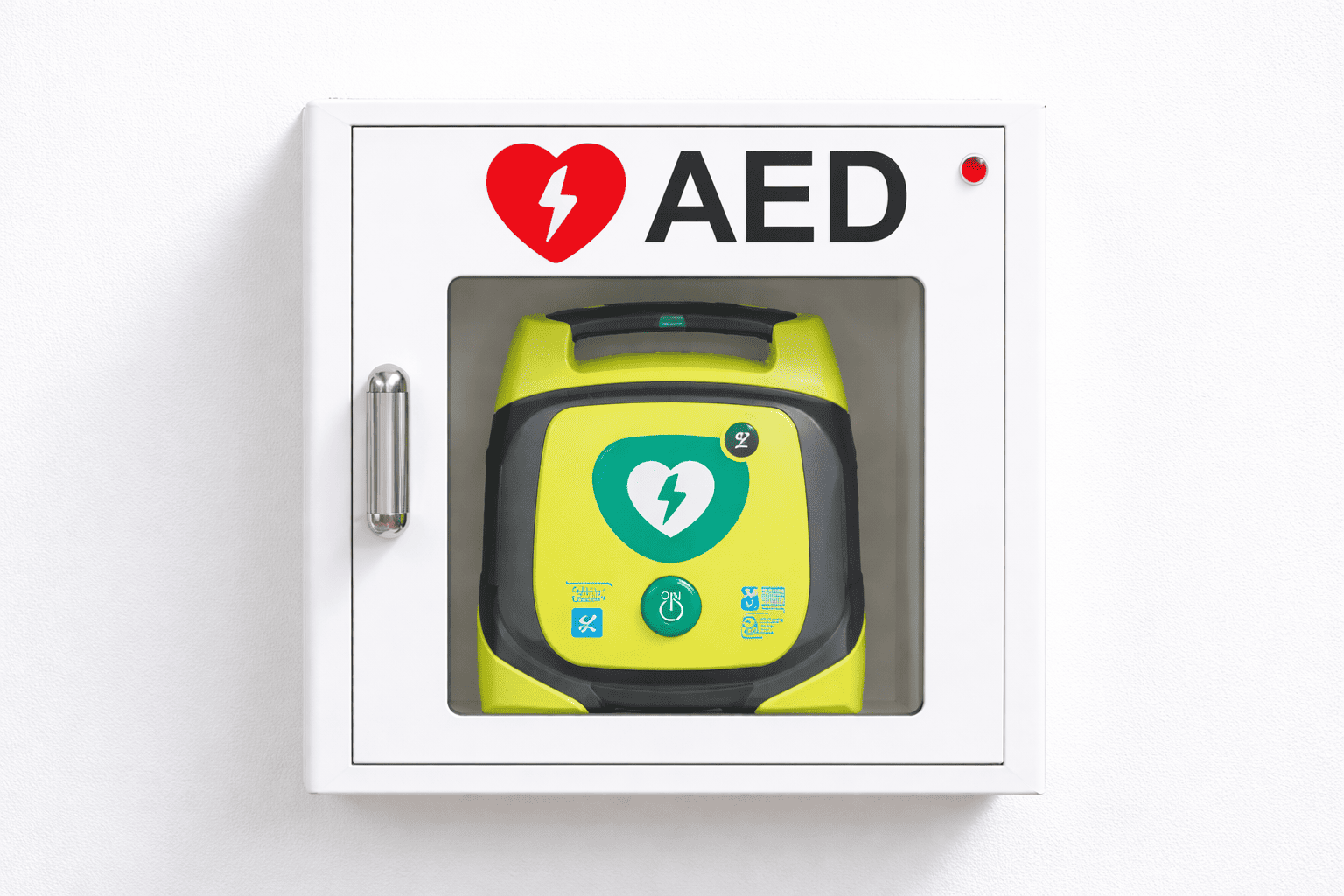
Every year, sudden cardiac arrest (SCA) claims hundreds of thousands of lives. It can happen anywhere — at work, in a gym, or even at home. The difference between life and death often comes down to a few crucial minutes and whether someone nearby knows how to act quickly.
That’s where the AED, or Automated External Defibrillator, becomes a life-saving hero. Compact, portable, and easy to use, an AED can deliver an electric shock that restores a normal heart rhythm when someone’s heart suddenly stops beating. Yet, despite its importance, many people hesitate to use one — unsure of how it works or afraid of making a mistake.
This article from One Love CPR breaks down everything you need to know about AEDs: what they are, how they work, and how you can confidently use one to save a life.
What Is an AED and How Does It Work?
An Automated External Defibrillator is a medical device designed to detect and correct life-threatening heart rhythms, such as ventricular fibrillation or ventricular tachycardia — both of which can lead to cardiac arrest.
Here’s how it works:
-
Detection: Once the AED pads are placed on the patient’s chest, the device analyzes their heart rhythm.
-
Decision: The AED determines whether an electric shock (defibrillation) is needed.
-
Action: If a shock is required, the AED instructs the user — with clear voice prompts — to deliver it safely.
The shock momentarily stops the heart, giving it a chance to reset and return to a normal rhythm. The best part? AEDs are designed for anyone to use — even without medical training — because every step is guided by simple visual and audio instructions.
When Should You Use an AED?
An AED should be used as soon as possible when someone is:
-
Unresponsive and not breathing normally
-
Gasping or showing no pulse
These are classic signs of sudden cardiac arrest, and immediate action is critical. According to the American Heart Association (AHA), for every minute without CPR or defibrillation, survival chances drop by 7–10%.
The ideal sequence is:
-
Check responsiveness and breathing.
-
Call 911 or have someone else do so.
-
Begin CPR immediately.
-
Use an AED as soon as it’s available.
Early defibrillation, combined with effective CPR, dramatically increases the likelihood of survival and neurological recovery.
Step-by-Step: How to Use an AED Correctly
If you ever find yourself in an emergency, remember — AEDs are designed to guide you. Follow these steps:
Step 1: Turn on the AED
Most AEDs have a power button or open automatically when you lift the lid. Once on, it will start giving you verbal prompts.
Step 2: Expose the Chest and Apply Pads
Remove any clothing covering the chest. Attach the adhesive pads to the bare skin — one pad on the upper right chest, and the other on the lower left side below the armpit.
Step 3: Let the AED Analyze the Heart Rhythm
Make sure no one is touching the person while the AED analyzes. The device will determine if a shock is needed.
Step 4: Deliver the Shock (If Advised)
If the AED says “Shock advised,” make sure everyone stands clear. Press the flashing shock button when instructed.
Step 5: Resume CPR Immediately
After the shock, or if no shock is advised, resume chest compressions and rescue breaths as directed. The AED will continue to guide you through the next steps.
Why AEDs Save Lives
Using an AED quickly can mean the difference between life and death. When the heart stops suddenly, oxygen no longer reaches the brain and organs — and within minutes, permanent damage can occur. AEDs are the only effective treatment for restoring a normal rhythm in certain cardiac arrests.
Studies show that survival rates double or even triple when an AED is used within the first few minutes of collapse. That’s why AEDs are now found in airports, schools, offices, gyms, and even churches.
But the device alone isn’t enough — people must know how to use it. That’s where training makes all the difference.
The Power of Training: Confidence in Every Beat
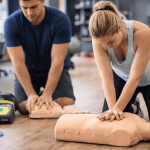
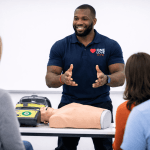
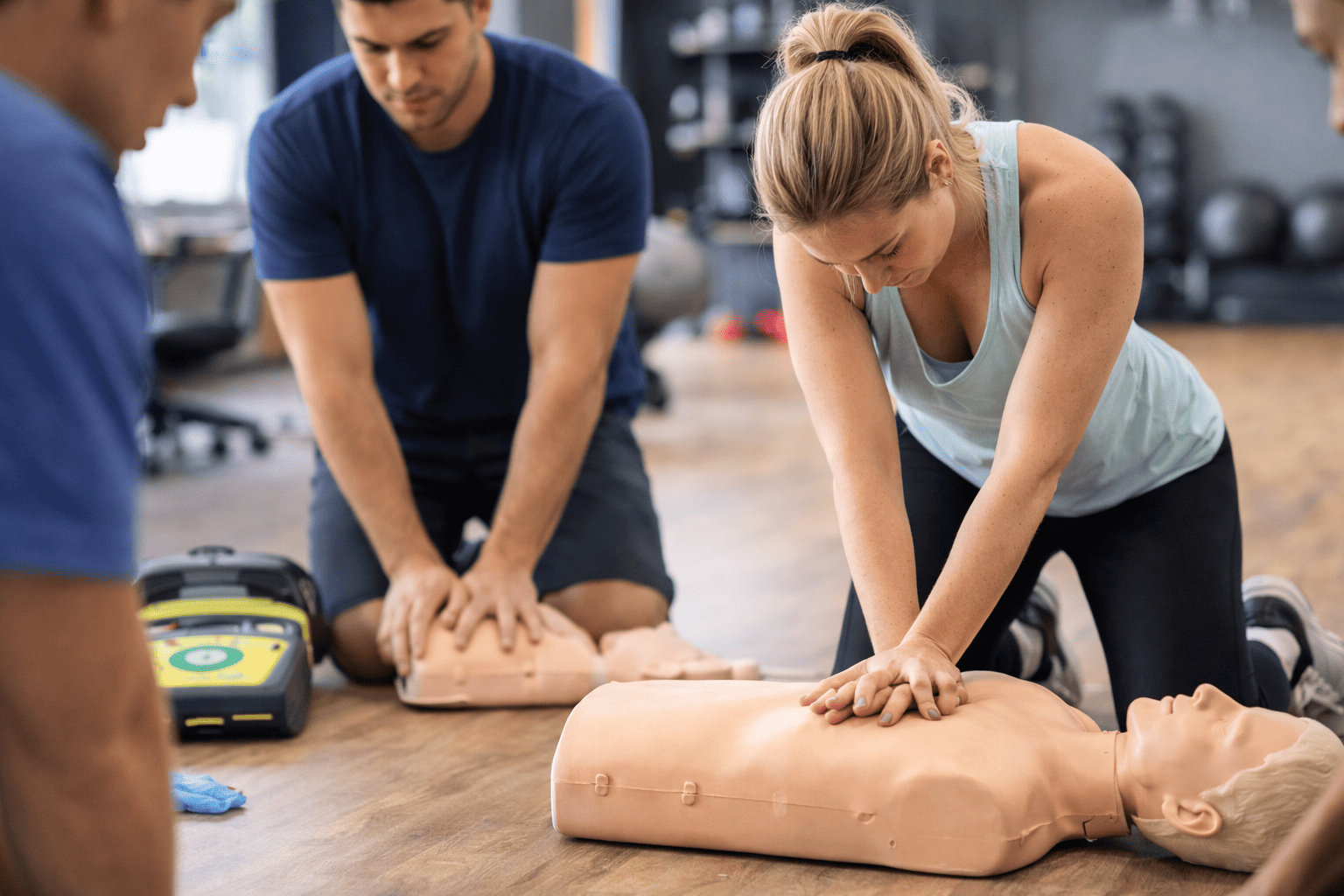
At One Love CPR, we don’t just teach you how to use an AED — we teach you to act without hesitation. Our certified instructors provide hands-on, realistic training scenarios that prepare you to stay calm under pressure.
We offer a full range of American Heart Association (AHA)-certified courses, including:
-
CPR & AED Training for individuals and workplaces
-
BLS (Basic Life Support) for healthcare professionals
-
Heartsaver First Aid CPR AED for schools, parents, and businesses
-
ACLS & PALS for advanced medical providers
With flexible schedules, online + in-person options, and same-day certification, One Love CPR makes it easy to get trained and ready.
Because Every Second Counts
You never know when someone’s heart may stop — at work, at home, or even in a grocery store. Being trained and knowing how to use an AED gives you the power to act quickly and save a life before emergency services arrive.
👉 Take the first step today.
Visit onelovecpr.com or call 551-336-7797 to schedule your AED and CPR certification course.
You have the ability to save a life — all it takes is knowledge, confidence, and One Love.
One Love CPR
CPR, BLS, ACLS, Heartsaver & First Aid Certification Training
New Jersey, New York, Connecticut




 Google 5.0